From Surrealism to Opus
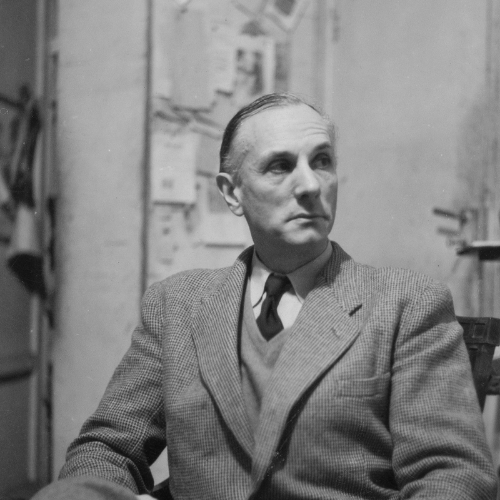
Gérard Schneider arrived in Paris in 1916, attended the School of Decorative Arts and Fine Arts. In the 1930s, he went through compositions still linked to reality, then to surrealism, before eliminating any anecdote. From 1944-1945 appeared the Abstraction and the Opus, titles borrowed from music. Post-war, exhibited with Hartung and Soulages at the home of Lydia Conti, it forms what has been called the « abstract trio ».
A learned improvisation
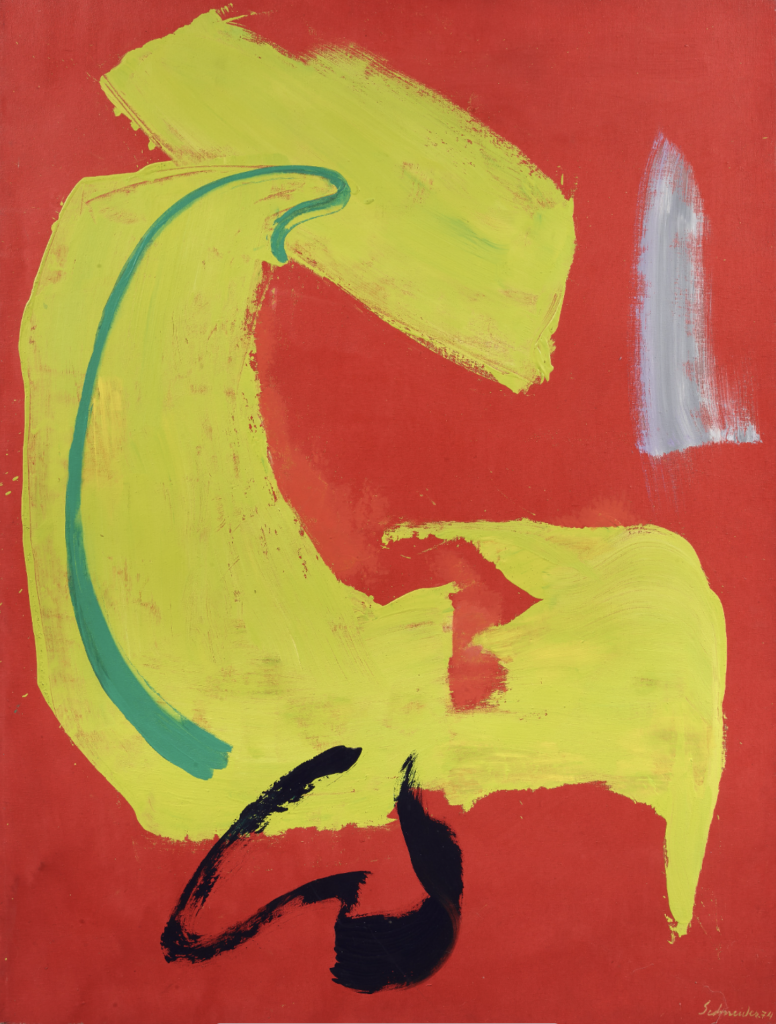
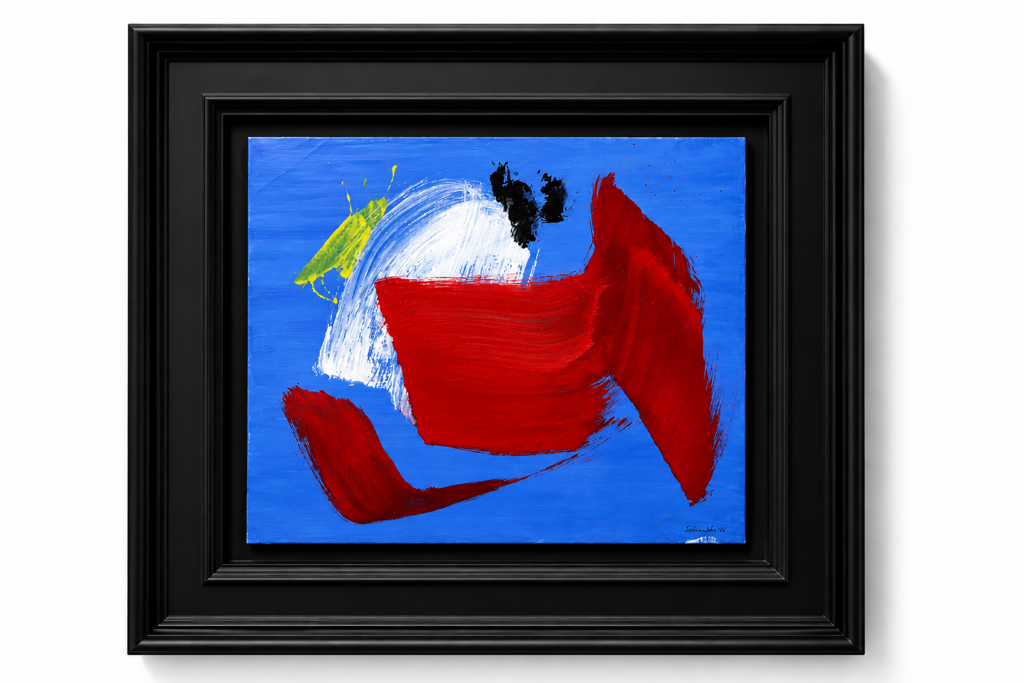
Schneider wants us to « feel » the abstract as if we were listening to an improvisation, without looking for an object. Arnaud Gallery, Kootz in New York, Lorenzelli in Milan, Documenta, São Paulo Biennale: the recognition was international since the 1950s. The Opus of 1961 remain close to the gestural oil; those of 1974, often acrylic, belong to the « luminous years » described by Michel Ragon. Your Opus 18 E (1961) and Opus 22 N (1974) frame this passage.
The father forgotten and then taken back
Death in Paris in 1986, Schneider was sometimes overshadowed by Soulages. The catalogues raisonnés and galleries (Diane de Polignac, notably) have restored his Opus to its place: a painting of pure emotion, numbered like a score, with no subject other than the energy of the line.From Surrealism to Opus
Gérard Schneider arrived in Paris in 1916, attended the School of Decorative Arts and Fine Arts. In the 1930s, he went through compositions still linked to reality, then to surrealism, before eliminating any anecdote. From 1944-1945 appeared the Abstraction and the Opus, titles borrowed from music. Post-war, exhibited with Hartung and Soulages at the home of Lydia Conti, it forms what has been called the « abstract trio ».
A learned improvisation
Schneider wants us to « feel » the abstract as if we were listening to an improvisation, without looking for an object. Arnaud Gallery, Kootz in New York, Lorenzelli in Milan, Documenta, São Paulo Biennale: the recognition was international since the 1950s. The Opus of 1961 remain close to the gestural oil; those of 1974, often acrylic, belong to the « luminous years » described by Michel Ragon. Your Opus 18 E (1961) and Opus 22 N (1974) frame this passage.
The father forgotten and then taken back
Death in Paris in 1986, Schneider was sometimes overshadowed by Soulages. The catalogues raisonnés and galleries (Diane de Polignac, notably) have restored his Opus to its place: a painting of pure emotion, numbered like a score, with no subject other than the energy of the line.